





实验室简介
Lab introduction
本课题组致力于跨尺度解析复杂生物网络的自组织规律,特别关注微生物相互作用网络。面对海量的组学数据与错综复杂的生态博弈,我们以“微生物的次级代谢与铁争夺(Iron-Net)”为切入点,深度融合定量计算、统计物理与实验验证,重点关注以下三大研究方向:
从序列到分子的化学空间挖掘: 解码次级代谢(如非核糖体肽合成酶 NRPS,PKS)的生物合成逻辑,跨越从基因到表型的映射鸿沟,预测并挖掘微生态中的化学暗物质;
微生态互作网络的重构与演化: 以多种定量方法高精度重构大尺度的群落相互作用网络,并利用非线性动力学解析竞争、合作与“欺骗”的底层物理与生态法则;
复杂生物系统的定量建模: 提炼普适性的数学理论,探究细胞命运决定、空间斑图生成及其他多细胞与生态复杂系统的拓扑结构与动力学特征。
Our laboratory is dedicated to decoding the complex interaction networks and self-organization of microbial communities across molecular, ecological, and evolutionary scales. Utilizing microbial secondary metabolism, specifically, the competition and cooperation for iron ("The Iron-Net"), as our quantitative anchor, we bridge data-driven computation, statistical physics, and experimental validation to explore:
Sequence-to-Molecule Mapping: Decoding the assembly logic of secondary metabolism (e.g., NRPS, PKS) to bridge the genotype-phenotype gap and discover chemical "dark matter" from genomic big data;
Microbial Ecology & Network Dynamics: Quantitatively uncover the physical and evolutionary laws governing competition, cooperation, and "cheating" in microbiomes;
Theoretical Modeling of Complex Systems: Applying non-linear dynamics to investigate cell fate decisions, spatial pattern formation, and the overarching design principles of broader biological and ecological networks.

最新动态
Latest news
-

Microbial Genomics | 李志远课题组系统揭示革兰氏...
铁是大部分细菌生长、存活和发挥致病性的必备营养元素之一。然而,自然环境中的生物可直接利用的游离铁浓度往往非常低 。为了克服这种铁稀缺的环境,细菌们演化出了一种高效...
2026-05-08
-

mBio | 李志远和杨晓静团队合作提出基于系统发育偏...
就像北极熊有厚厚的皮毛能扛住刺骨寒冷,蝙蝠用回声定位在漆黑中自由翱翔一样,每种细菌也都有自己的“绝活”,帮助它们在独特的环境中生存。比如,有些细菌能耐辐射,有些...
2026-03-01
-

SIDERITE Database Annual Update (2025)
Dear SIDERITE users and the siderophore research community,We are pleased to announce that the SIDERITE database (Siderophore Information Database) has completed...
2026-03-01
-

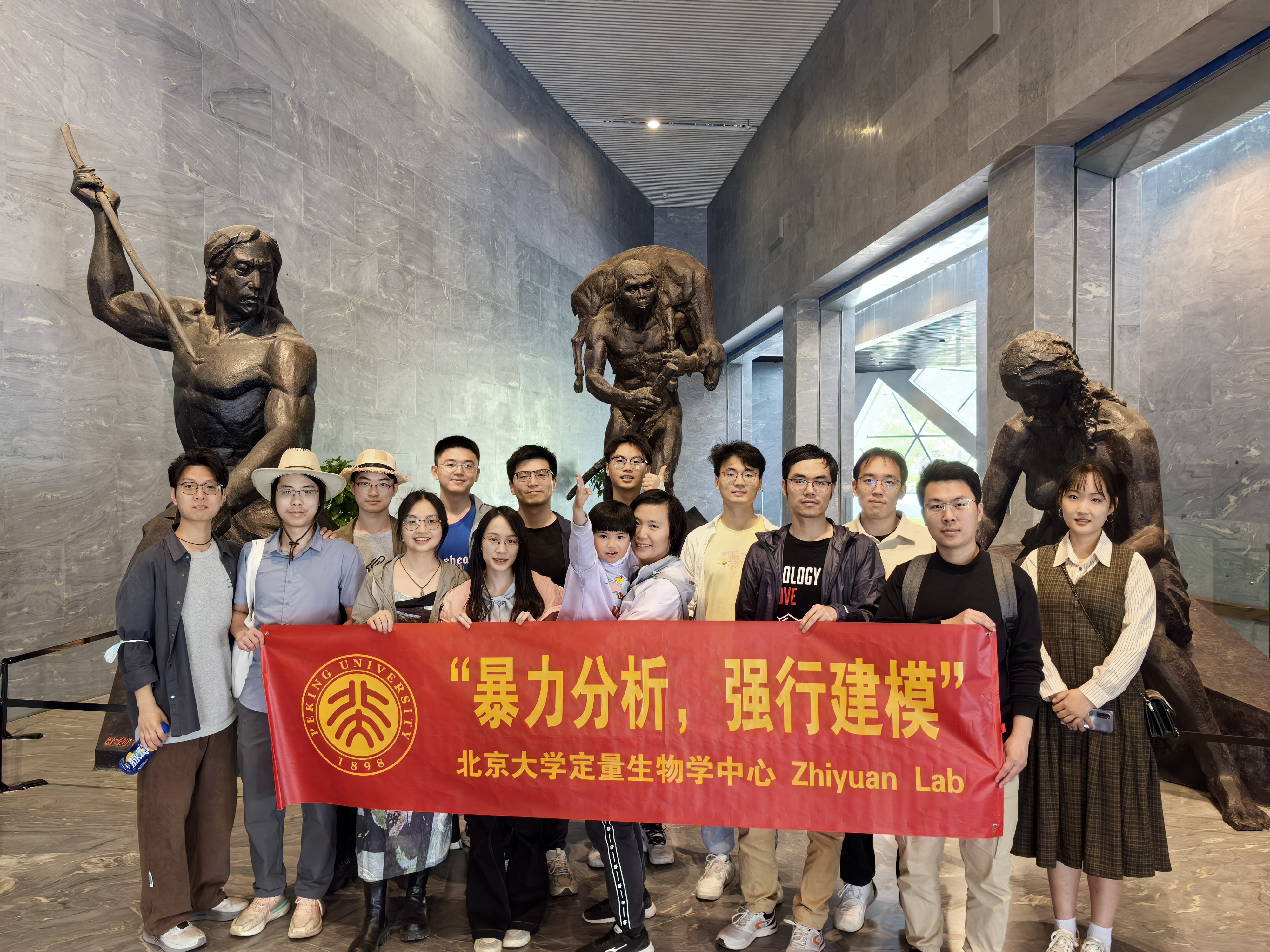
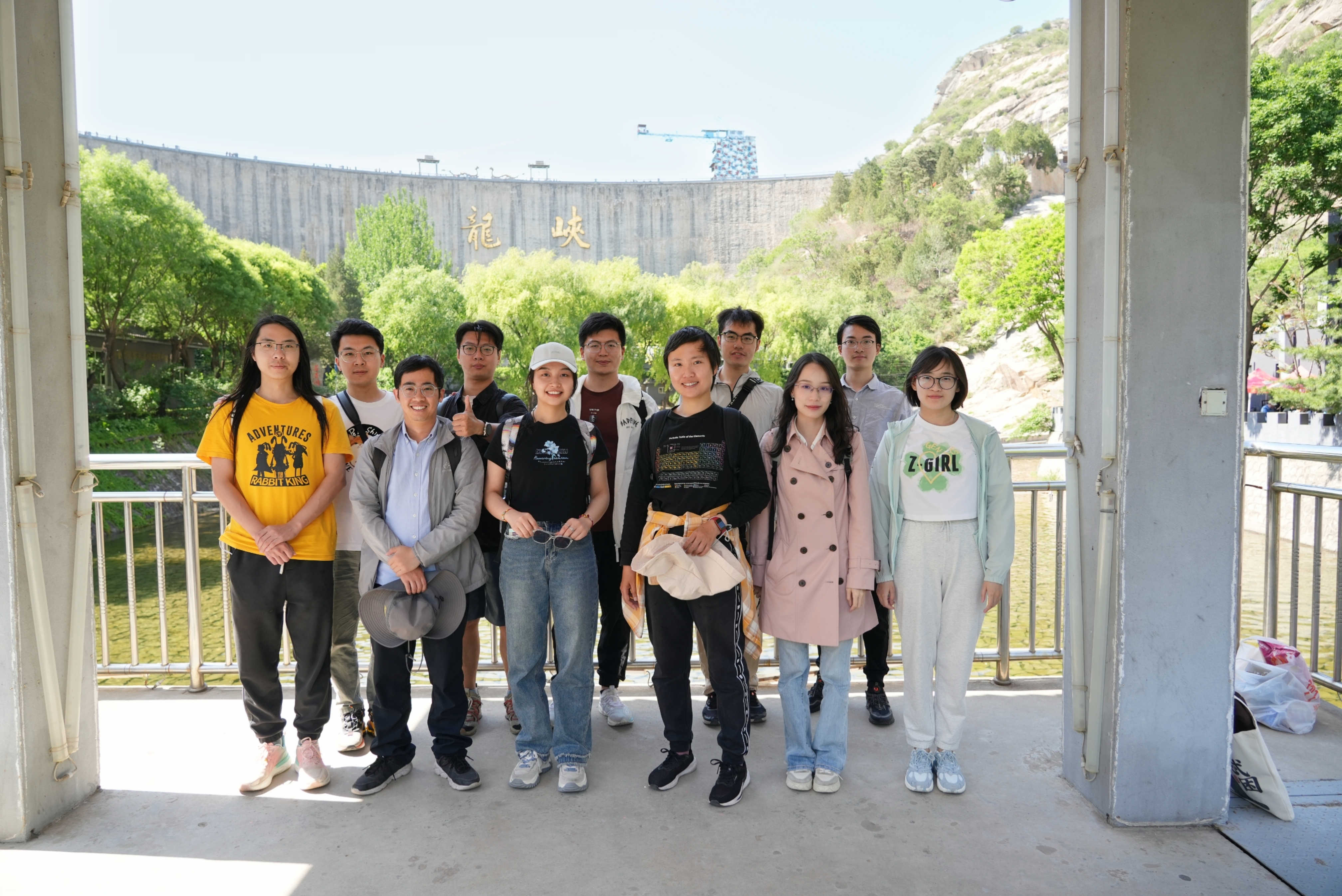
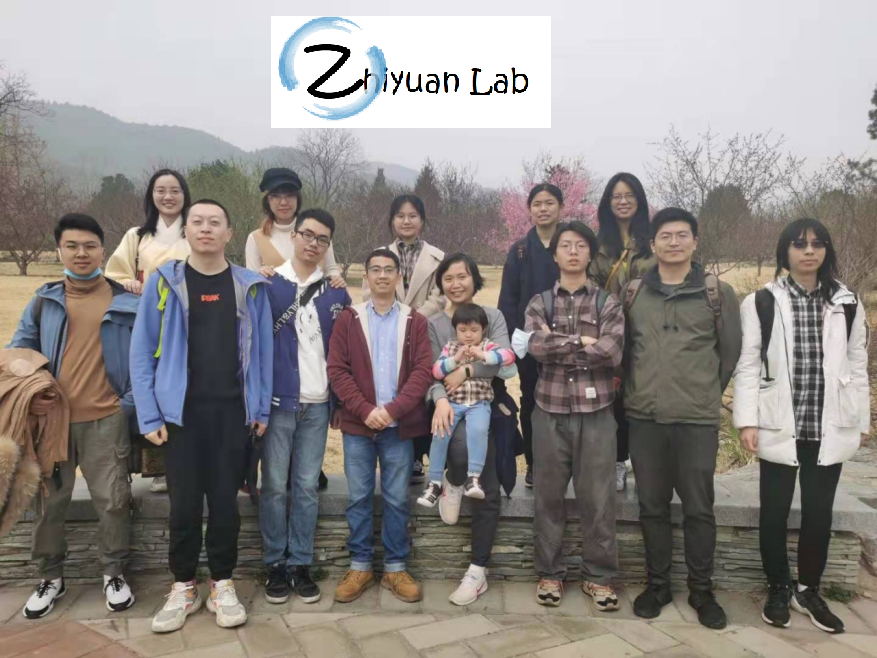
实验室团建及合影
2025年4月20日,志远实验室成员前往上庄水库农庄拓展团建
2025-04-20


